Pallet Liquidation: Trusted Providers
Key Mistakes to Avoid in Pallet Liquidation: A Guide for Beginners
In the field of pallet liquidation, newcomers often face several challenges that can impede their success. Many first-time participants neglect essential elements such as pallet quality assessment and market research. Additionally, they may overlook the importance of networking and hidden costs. Each of these missteps can considerably influence profitability. Recognizing these frequent errors is critical for individuals hoping to navigate this challenging landscape effectively. What strategies can guarantee a more successful entry into pallet liquidation?
Avoid Misreading Pallet Quality in Liquidation
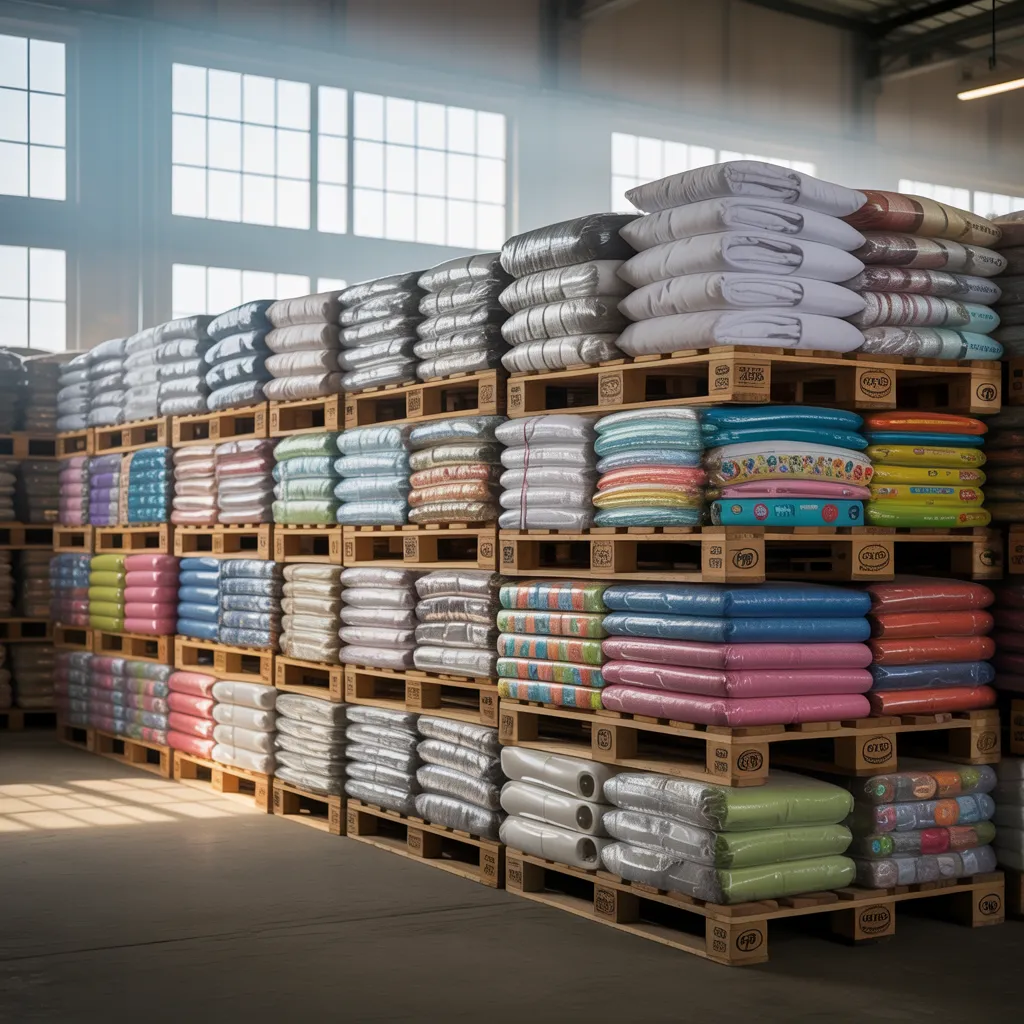
In the field of pallet liquidation, evaluating quality is essential. Inexperienced buyers commonly misjudge pallet conditions, which can lead to significant losses. Understanding the distinction between salvageable and non-salvageable goods is vital. A number of buyers frequently disregard surface-level damages, under the impression that small signs of wear do not diminish overall value. However, hidden defects can result in additional costs during resale or disposal.
Furthermore, relying solely on visual inspections may be deceptive. One should review product descriptions thoroughly and, when possible, inspect pallets firsthand. This approach aids in detecting hidden concerns that are not easily noticed. In addition, understanding market demand for specific items helps set realistic return expectations. Through conducting a rigorous appraisal of pallet integrity, liquidators can avoid costly mistakes and boost earnings from their operations. Understanding the significance of careful quality inspection serves as a critical stepping stone to excelling in pallet liquidation ventures.
Know the Local Regulations
While navigating the challenges of pallet liquidation, comprehending local regulations is critical to your success. Adhering to local laws can significantly influence the profitability and sustainability of a liquidation business. Each region may have specific rules regarding the resale of goods, including safety standards and labeling requirements. Failing to follow these regulations can result in penalties or legal action, threatening the viability of the entire operation.
Moreover, zoning laws could determine where liquidation activities can take place. A comprehensive understanding of local ordinances can prevent damaging oversights, such as placing a warehouse in a non-permitted area. Furthermore, certain states levy taxes on specific categories of goods or require copyrights events. Consequently, performing comprehensive research on local rules is a critical measure for those participating in the pallet liquidation marketplace. Complying with these rules facilitates smoother business processes and supports sustained success in the industry.
Carry Out Market Research for Pallet Liquidation
Carrying out detailed market research is vital for effective pallet liquidation. This includes studying local demand patterns, reviewing competitor offerings, and examining pricing strategies to guarantee a competitive edge. By taking these factors into account, businesses can make informed decisions that strengthen their liquidation efforts.
Analyze Local Demand Trends
How does a thorough understanding of local demand trends profoundly affect pallet liquidation success? Analyzing these trends allows liquidators to align their inventory with community needs, ensuring higher sales potential. Local demand may shift substantially depending on elements such as seasonality, economic circumstances, and demographic transitions. Through comprehensive market research, liquidators can determine which products are highly sought after and modify their purchasing strategies as needed. This knowledge not only reduces unsold inventory but also improves profitability. Additionally, being attuned to local preferences can help in crafting targeted marketing strategies, fostering stronger connections with potential buyers. In the end, a sharp awareness of local demand trends provides pallet liquidators with the essential tools to make well-informed decisions and enhance their operations.
Review Competitor Offerings
A comprehensive understanding of what competitors offer can significantly improve a pallet liquidator's market position. By carrying out detailed market studies, liquidators can identify the types of pallets and products competitors are selling, as well as their supply acquisition approaches. This insight helps in identifying underserved market segments that could be capitalized on for greater financial gain. Additionally, evaluating competitors' strengths and weaknesses allows liquidators to distinguish their products and services, ensuring they meet consumer demands more effectively. Observing customer feedback on competitor products can offer useful insights on performance and service benchmarks. Ultimately, studying rival product selections equips pallet liquidators with the knowledge needed to adjust their business tactics and more effectively establish their presence in a competitive landscape.
Analyze Pricing Strategies
Assessing price structures is essential for pallet resellers looking to increase their profit margins. To create effective pricing, liquidators must conduct thorough market research, analyzing the consumer interest in specific goods and competing offers. Recognizing geographic pricing differences and seasonal trends can reveal opportunities for effective pricing frameworks. Additionally, assessing acquisition costs with projected retail values aids in pinpointing lucrative pricing gaps. Resellers should also consider customer demographics; tailoring pricing to different buyer segments can boost transaction volumes. Moreover, embracing dynamic pricing approaches, such as reduced rates for large orders or limited-time offers, can draw in a larger audience. In the end, a well-informed pricing strategy not only boosts profitability but also establishes the reseller as a strong market competitor.
Detecting Hidden Charges in Pallet Liquidation
In pallet liquidation, hidden costs can greatly affect profitability. Unexpected shipping fees, marketplace platform fees, and revenue losses due to unsold stock commonly remain undetected. Identifying these expenses is essential for a successful liquidation strategy.
Surprise Delivery Costs
While investigating pallet liquidation choices, one critical area often overlooked is the possibility of unforeseen shipping costs. A large number of newcomers concentrate on the price of the merchandise alone but fail to account for the supplementary fees linked to transporting the pallets. Shipping fees can vary greatly based on the supplier's whereabouts, the volume of the cargo, and the selected shipping company. Furthermore, a number of suppliers may add surcharges for freight services or demand that buyers organize their own transportation, further complicating the process. To avoid unpleasant surprises, it is necessary to establish shipping details before finalizing a purchase. Being aware of these expenses can avoid considerable budget overruns, providing a more reliable financial analysis of the overall liquidation endeavor.
Auction Site Fees
Navigating the landscape of pallet liquidation often reveals a web of auction platform charges that can greatly impact financial returns. Many newcomers overlook these undisclosed charges, which can include submission fees, closing value charges, and payment processing charges. Every platform operates with a unique pricing model, and understanding these can eliminate surprise financial burdens. Furthermore, some auctions may charge additional buyer fees that increase the overall payment amount. It is vital for beginners to thoroughly review the platform policies and fee schedules before signing up with any platform. By being vigilant about these costs, resellers can better assess their overall expenditure and possible profits, ultimately leading to smarter acquisition strategies.
Unsold Stock Losses
Recognizing unsold stock losses is crucial for individuals participating in pallet liquidation. Unsold items can build up expenses that considerably reduce profitability. To begin with, there are storage costs, which grow over time as products fail to sell. In addition, remaining inventory can result in markdowns or clearance sales, further diminishing possible earnings. Moreover, the threat of product obsolescence or physical damage intensifies the longer items remain unsold, generating additional financial burdens.
Moreover, organizations often overlook the monetary implication of capital held in stagnant inventory, which could have been directed toward other opportunities. A detailed analysis of unsold merchandise empowers professionals to reach better decisions, minimize losses, and optimize future purchasing strategies. Acknowledging these hidden costs is critical to sustaining a successful liquidation operation.
Expand Your Network
Developing a strong network is crucial for those exploring pallet liquidation. Establishing relationships with key industry figures, supply partners, and fellow liquidators can significantly improve valuable opportunities and market knowledge. Reaching out to nearby businesses, attending trade shows, and engaging with online forums can develop meaningful relationships that provide valuable information about sourcing pallets and market trends.
Furthermore, networking can lead to beneficial partnerships, allowing for group purchasing or shared expertise regarding successful selling strategies. Through networking with experienced liquidators, novices can obtain mentorship, receiving guidance on sidestepping typical errors.
Additionally, social media platforms and dedicated online groups act as outstanding resources for expanding one's network. Consistent engagement within these platforms can help identify potential buyers and suppliers. When all is considered, a robust network goes beyond being a mere support system; it is an indispensable tool that can propel a novice's journey in the pallet liquidation business.
Expert Sales Techniques for Pallet Liquidation
Developing expertise in selling techniques for liquidating pallets can significantly influence financial outcomes. Comprehending market needs is crucial; vendors should carry out comprehensive research to identify which products are trending and attracting buyers. Pricing approaches also hold significant importance; market-aligned pricing can draw in potential customers while securing an adequate profit level.
Leveraging online platforms for selling can widen the customer base, helping sellers to reach a broader market. Strategic marketing techniques, such as crafting compelling listings with detailed images and comprehensive descriptions, can enhance exposure and attractiveness.
Cultivating connections with returning customers promotes confidence and loyalty, which can lead to consistent sales. Additionally, offering promotions or discounts can spark enthusiasm and drive faster transactions, minimizing surplus stock. Through applying these approaches, beginners can navigate the complexities of pallet liquidation and maximize their returns.
Questions We Often Receive
What Exactly Is Pallet Liquidation, and How Does the Process Work?
Pallet liquidation encompasses acquiring surplus or returned products, frequently in large quantities, from wholesalers or retailers at a reduced price. Buyers acquire pallets filled with assorted items, spanning from electronics to apparel, which they can then resell individually or in smaller batches. This process commonly involves participating in liquidation auctions or buying directly from liquidation suppliers. Thriving in this sector necessitates an understanding of market demand and effective inventory management to maximize profits.
Where Can I Locate Trustworthy Liquidation Suppliers?
To find reputable liquidation suppliers, the best approach is to start by researching online directories and forums where knowledgeable buyers offer their perspectives. Going to trade shows and professional networking events can also provide valuable connections. Verifying supplier credentials and reading reviews aids in building confidence. Additionally, seeking recommendations from industry peers can lead to reliable sources. It remains important to assess pricing structures and terms to secure a reasonable arrangement, thereby cultivating a satisfying buying experience.
What Types of Items Are Commonly Included in Liquidation Pallets?
Liquidation pallets generally feature a wide variety of items, including furniture, electronics, toys, clothing, and home goods. These items often come from overstock, returns, or discontinued lines, causing conditions that vary from pristine to damaged. Sellers may feature products from recognizable brands, presenting profitable opportunities for resellers. Nevertheless, the exact contents can differ significantly, making it essential for buyers to thoroughly research and inspect pallets before purchase insightful guide to maximize their investment.
How Can I Determine the Resale Value of Liquidation Items?
To determine the resale price of liquidated goods, one should investigate similar goods online to assess market rates. Browsing comparable items on platforms like eBay or Amazon can offer valuable information about current demand and pricing trends. Additionally, considering the item's condition, brand recognition, and additional components included can affect the final price. To conclude, factoring in shipping costs and competition in the local market helps establish a balanced and rewarding resale price.
What Are the Most Common Mistakes Beginners Make in Pallet Liquidation?
Common pitfalls for beginners in pallet liquidation include underestimating costs, such as shipping and handling, which can greatly affect profit margins. A large number of beginners also neglect to investigate the market worth of products, leading to poor purchasing decisions. Furthermore, neglecting proper inventory management practices can lead to excess unsold merchandise. Inexperienced buyers might also skip thorough pallet inspections, putting their investment at risk by acquiring damaged or unsalable items. Ultimately, insufficient knowledge of local regulations can lead to compliance issues.